

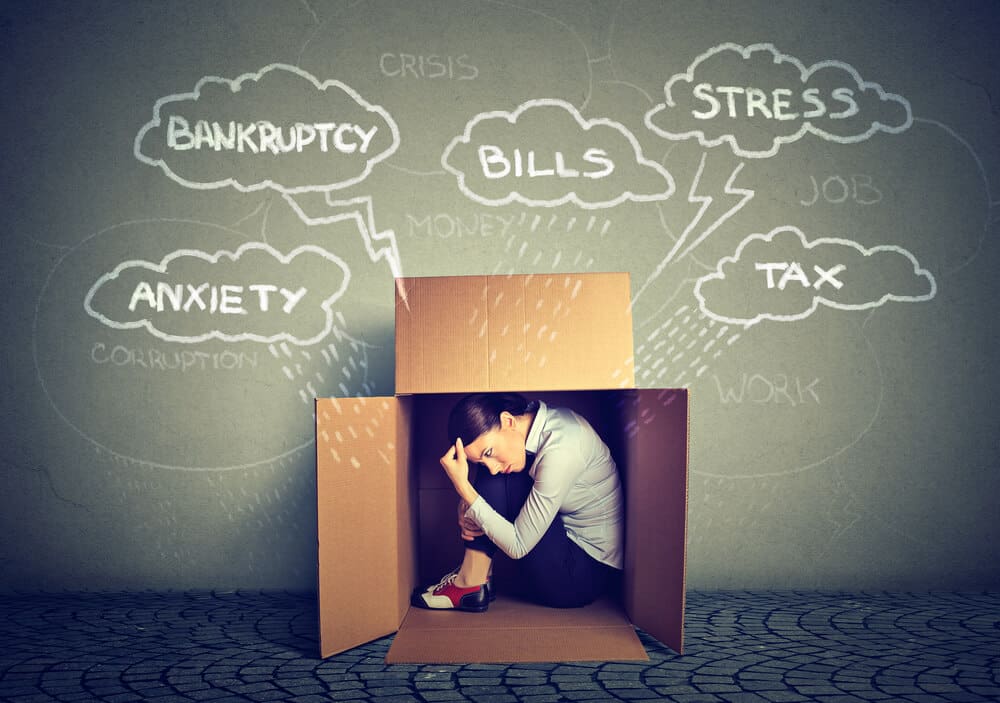
Rising costs across Geelong—rates, groceries, fuel—are creating ongoing financial pressure for everyone. This money stress can affect your mental health, often showing up as anxiety, poor sleep, irritability, difficulty concentrating, and constant low-level stress.
You need to remember this is a normal response to sustained pressure—not a personal failure.
Common Experiences
Many people report difficulty relaxing, constant background worry about money, doubting financial decisions and mental/emotional fatigue. You’re not alone in this.
Practical Ways to Cope
1. Acknowledge the stress
Be honest with yourself: money stress is real and we have little control over the cost of daily essentials. Validation reduces internal pressure.
2. Support your nervous system
Know what helps your body feel more at peace. Some common actions to help regulate stress:
Short walks
Slower breathing
Taking brief pauses in your day
3. Notice “scarcity thinking”
Thoughts like “there’s not enough” are common but can significantly increase anxiety. Look for more balanced perspectives to better manage money stress.
4. Stay connected
Talk to people you trust – friends, family, loved ones, etc. Isolation tends to make stress worse.
5. Reduce self-pressure
Replace “I should be coping better” with self-validation of statements like “It makes sense this feels hard.”
6. Focus on what’s stable
Lean on the stability of routines, relationships, and moments of joy.
When to Seek Support
If financial stress is affecting your sleep, mood, or daily functioning, speaking with a psychologist can help you manage anxiety, reduce overwhelm, and stay steady during uncertainty. Talk to your GP about obtaining a Mental Health Care Plan so you can obtain Medicare rebates.
Final Thought
This is a challenging time, and feeling stressed is an expected response. You don’t need to solve everything today. Focus on getting through in a way that supports your wellbeing, and reach out when you need help.